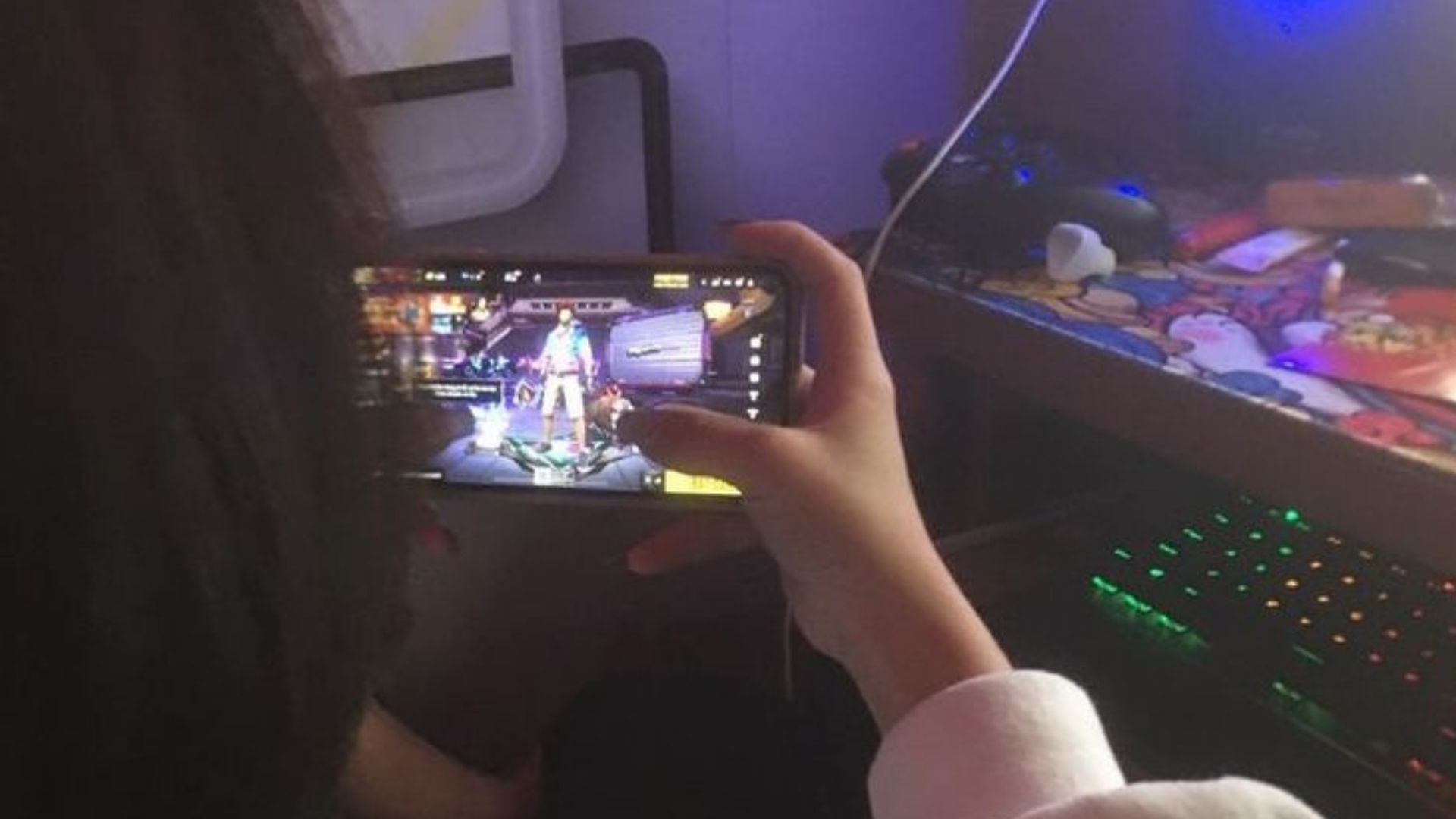
The traditional spinning wheel, long a staple of casinos and local carnivals, has undergone a massive digital transformation in recent years. Today, simple mechanical pointers have been replaced by vibrant, real-time graphics and engaging player-driven choices. These advancements have transformed passive viewing into highly participatory, interactive entertainment that captivates audiences worldwide.
The Rise of Real-Time Participant Choices
Modern online wheel platforms have shifted away from predictable, automated routines to offer players a direct hand in their gaming journey. Users can now choose from various volatility levels, customized themes, and dynamic side bets before the wheel is even set in motion. This level of personalization makes each spin feel unique, catering to both risk-tolerant players and casual fans alike.
Furthermore, many contemporary platforms integrate real-time decision points during the spin itself, such as interactive bonus rounds and mystery prize reveals. Players can navigate these events through simple touchscreen commands, allowing for a seamless transition from spectator to active participant. These features have successfully bridged the gap between passive luck and modern video game mechanics.
Live Hosts and Social Community Integration
One of the most significant advancements in the digital gaming sector is the introduction of live-streamed hosts who guide the experience in real time. These professional presenters interact directly with the audience, creating a shared studio atmosphere that replicates physical casino venues. Players are no longer isolated; instead, they participate in a collective event with hundreds of others.
To complement this lively atmosphere, developers have built robust in-game chat systems and social feeds directly into the interface. Fans can share strategies, celebrate wins together, and even compete on dynamic community leaderboards. For those looking to explore these social setups, accessing reliable platforms via m88 link 2 offers a great entry point into high-quality live entertainment.
Gamification and Progressive Progression Systems
To maintain long-term engagement, developers are increasingly applying modern gamification elements to classic wheel designs. Players can unlock personalized achievements, climb loyalty tiers, and earn experience points as they interact with the platform. This continuous sense of progression gives users a clear reason to return, turning a simple spin into a broader journey.
These progression systems often reward players with customizable cosmetic upgrades, such as unique wheel pointers or specialized sound packages. By allowing players to tailor the aesthetic elements of the interface, developers create a deeper sense of ownership and connection. Ultimately, these progressive mechanics prove that the appeal of the wheel extends far beyond the final resting point of the pointer.
Immersive Visuals and Next-Gen Display Tech
Behind the scenes, cutting-edge software and high-definition streaming technology power these complex interactive elements. Advanced physics engines ensure that the virtual wheel's deceleration feels completely natural, maintaining the suspense that makes the genre so legendary. Every bounce of the ball or click of the pointer is rendered with absolute precision.
Additionally, modern systems utilize responsive HTML5 frameworks to guarantee that these rich visual animations perform flawlessly across all mobile devices. Whether playing on a desktop or a smartphone, users enjoy an optimized, latency-free experience. As display technology continues to advance, the line between physical presence and digital simulation will only continue to blur.